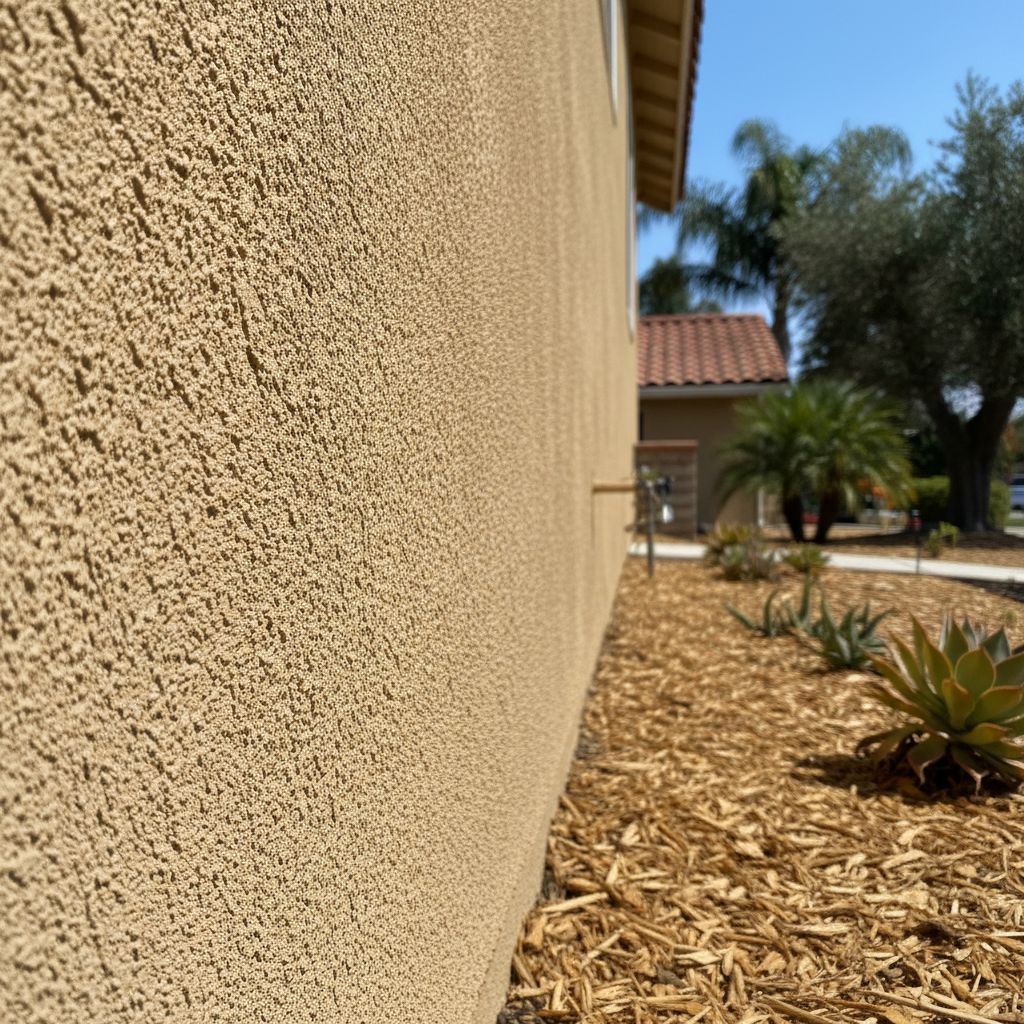
Why would someone even want to remove stucco? Isn't it good stuff?
You know, that's a fair question, especially since I make my living with stucco! Look, stucco is fantastic when it's done right and maintained. It's durable, fire-resistant, and can look really sharp. But sometimes, homeowners want it gone for a few reasons. Maybe the stucco is just too old, badly damaged, or has been patched so many times it looks like a checkerboard. We see a lot of homes in older Santa Ana neighborhoods, like around Floral Park, where the stucco is original from the 40s or 50s, and it's just reached the end of its life. Or maybe someone bought a house and just hates the look. They want to update to siding, brick, or even a different type of stucco finish. Sometimes, it's about finding hidden problems, like water damage or structural issues, that are just easier to fix once the old skin is off.
How do you actually remove stucco? Is it a messy job?
Oh, it's definitely messy, no two ways about it. Anyone who tells you otherwise isn't being straight with you. The process usually involves a combination of tools. For older, softer stucco, sometimes you can get a good chunk off with a hammer and chisel, or even a pry bar. But for tougher, newer stuff, or if it's really well-adhered, we're often using pneumatic hammers, angle grinders, or specialized saws to cut it into sections. The goal? Get it off in manageable pieces without damaging the sheathing or framing underneath. Dust is a huge factor – it gets everywhere. We use tarps, plastic sheeting, and sometimes even temporary enclosures to try and contain it, but you'll still find stucco dust in places you didn't think possible. It's just part of the deal.
What's underneath the stucco, and what condition will it be in?
That's the million-dollar question, and frankly, it's the biggest unknown in any stucco removal project. Typically, you'll find a few layers. First, there's the lath – usually metal mesh (like chicken wire or expanded metal lath) or sometimes even wood lath on really old homes. Under that, there's usually a weather-resistive barrier, often tar paper or a synthetic house wrap, which is supposed to protect the sheathing from moisture. And then finally, you get to the sheathing itself, which is usually plywood or OSB on newer homes, or sometimes planks on older ones. The condition of these layers varies wildly. We've pulled off stucco to find perfectly sound sheathing, and other times, we've found extensive dry rot, termite damage, or mold, especially around windows and doors where water might have gotten in over the years. That's why it's so important to factor in potential repair costs for what you might uncover.
Can I just remove the stucco myself to save money?
You *can*, but I wouldn't recommend it for most homeowners, especially if you're not experienced with demolition and construction. It's incredibly labor-intensive, physically demanding, and frankly, it can be dangerous. You're dealing with heavy tools, falling debris, sharp edges from the lath, and a lot of dust that needs proper respiratory protection. Plus, if you damage the underlying sheathing or framing, you're creating a bigger, more expensive problem for yourself down the line. Then there's the disposal of all that debris – stucco is heavy, and you'll need a dumpster. Most folks underestimate the sheer volume and weight. It's usually a job best left to pros who have the right equipment, safety gear, and experience to do it efficiently and safely.
What are my options after the stucco is removed?
Once that old stucco is off and any necessary repairs to the sheathing are done, you've got a fresh canvas. The most common options I see people go with are installing new siding – things like fiber cement siding (Hardie board is a popular choice), vinyl siding, or even wood siding. Some folks opt for a brick or stone veneer if they're looking for a completely different aesthetic. And, of course, you can always put new stucco back on! Modern stucco systems often perform better than the old stuff, with better waterproofing and crack resistance. It just depends on the look you're going for and your budget. We at Santa Ana Stucco & Plastering can help you figure out what makes the most sense for your home's style and your goals.
How long does stucco removal take, and what about the cost?
The timeline really depends on the size of your house and how stubborn the stucco is. A smaller home might take a few days, while a larger, more complex house could take a week or more just for the removal phase. As for cost, it's tough to give a number without seeing the project. It's usually priced per square foot, but factors like the thickness of the stucco, the number of stories, accessibility, and how much debris needs to be hauled away all play a role. You're paying for labor, equipment rental (like dumpsters), and disposal fees. Then, on top of that, you have the cost of whatever new exterior finish you choose, plus any unexpected repairs to the underlying structure. It's not a cheap project, but it can dramatically change the look and value of your home.
Do I need permits for stucco removal?
Yes, usually you do. In Santa Ana, and most cities, any significant alteration to the exterior of your home – especially one that involves removing a structural component or changing the weather-resistive barrier – will require a permit from the city's building department. This isn't just red tape, you know? It's to ensure that the work is done safely and to code, and that your home remains structurally sound and protected from the elements. A good contractor will handle all the permitting for you, making sure everything is above board. Don't skip this step; it can cause big headaches down the road if you try to sell your house or if there's an inspection.