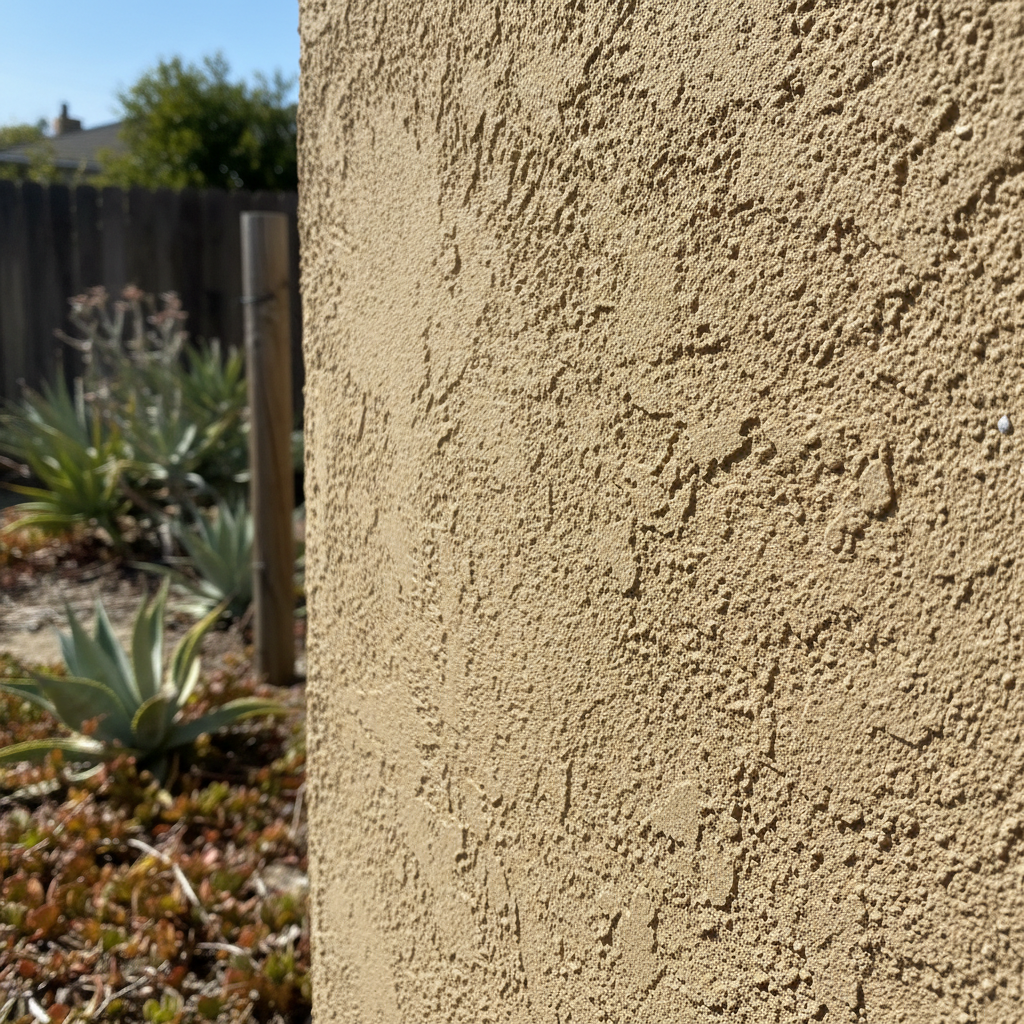
Alright, let us talk about Stucco Inspections. You have a Stucco home here in Santa Ana, and you want to make sure the Stucco is holding up, right? That is a smart thing to do. Stucco is tough, but it is not invincible, especially with our hot, dry Santa Ana winds followed by those occasional heavy downpours. Knowing what to look for with your Stucco can save you a lot of headaches and a lot of cash later on.
I have seen it all in my years with Valley Stucco, from tiny Stucco cracks that turn into big Stucco problems to homeowners catching Stucco issues early and avoiding major Stucco repairs. This is not about turning you into a Stucco expert overnight. This is about giving you the tools to be an informed homeowner in Santa Ana. Here is what you need to know about inspecting your Stucco, before, during, and after you think there might be a Stucco problem.
Before You Start Looking: Get Ready
Before you even step outside to look at your Stucco, you need a little preparation. First, grab a notepad and a pen, or your phone, to take notes and pictures of your Stucco. You will want to document anything you find on the Stucco. A good pair of binoculars can help you spot things on higher Stucco walls or around the roofline without needing a ladder right away. A small hammer or a rubber mallet can be useful for “sounding” the Stucco, but we will get to that part later.
Think about your home’s history in Santa Ana. When was the Stucco last redashed or painted? Have you had any major plumbing leaks or roof issues that could affect the Stucco? Any recent foundation work? Knowing these things can help you pinpoint potential Stucco problem areas. For instance, if you live in an older home in a Santa Ana neighborhood like Floral Park, where houses have settled over decades, you might expect to see more stress cracks in the Stucco around windows and doors.
Your DIY Visual Stucco Inspection: What to Look For
This is where you become your own first line of defense for your Stucco. You can do a pretty thorough visual Stucco inspection yourself, and you should aim to do this at least once a year. Maybe you can do it after our winter rains or a particularly intense Santa Ana summer. Walk around your entire house, slowly, and look at everything on the Stucco. Do not rush the Stucco inspection.
- Stucco Cracks: Not all Stucco cracks are created equal. Hairline Stucco cracks are very common, often just from the Stucco curing or minor expansion and contraction due to temperature changes. You will see these as thin, spiderweb-like lines on the Stucco. Usually, they are not a huge deal, but keep an eye on them. What you really need to worry about are Stucco cracks that are wider than a credit card, or if they are diagonal, running from the corners of windows, doors, or garage openings. These often signal structural movement or underlying issues with the Stucco. Also, look for Stucco cracks that are crumbling or have edges flaking away.
- Staining and Discoloration on Stucco: Dark streaks on the Stucco, especially below windows, at the base of Stucco walls, or around vents and light fixtures, are big red flags. This almost always means water is getting in and running behind the Stucco. White powdery residue on the Stucco, called efflorescence, also points to moisture problems, as it is mineral salts left behind when water evaporates. Greenish or black spots on the Stucco could be mold or mildew, which is another sign of persistent dampness on the Stucco.
- Bulging or Soft Stucco Spots: Gently tap the Stucco with your small hammer or mallet. Healthy Stucco should sound solid. If you hear a hollow sound, or if an area of the Stucco feels soft, spongy, or gives under pressure, that is a problem. It means the Stucco might be detaching from the wall or that there is moisture damage to the sheathing or framing underneath the Stucco. This is a very serious problem for your Santa Ana home.
- Stucco Sealants and Flashing: Pay close attention to where Stucco meets other materials. This includes around windows, doors, rooflines, chimneys, and where the Stucco meets the foundation. Look for gaps, cracks, or crumbling caulk. These are prime entry points for water behind the Stucco. Also, check your kick-out flashing where your roof meets a wall; it is designed to direct water away, and if it is not doing its job, water can get behind the Stucco.
- Stucco Drainage: Make sure your gutters and downspouts are clear and directing water away from your foundation. Poor drainage can lead to water pooling against the Stucco, which is never good for your Santa Ana home.
When to Call a Stucco Professional: Do Not Guess, Get an Expert
You have done your walk-around, taken notes, and maybe you have found some things that worry you about your Stucco. Or maybe you just want peace of mind about your Stucco. This is when you call in a professional Stucco inspector or a reputable Stucco contractor like Valley Stucco in Santa Ana.
Here is when it is definitely time to bring in the big guns for your Stucco in Santa Ana:
- Any signs of significant moisture on the Stucco: Dark stains, efflorescence, mold, or soft or bulging areas. These often mean hidden damage that goes beyond the surface of the Stucco.
- Structural Stucco cracks: Cracks in the Stucco that are wide, diagonal from openings, or show signs of movement. These need a professional to assess the underlying cause of the Stucco damage.
- Repeated Stucco problems: If you have patched a Stucco crack and it keeps coming back, that is a sign of a deeper issue with the Stucco.
- Before buying or selling a home in Santa Ana: A professional Stucco inspection can give buyers confidence and help sellers address Stucco issues proactively.
- Every 3 to 5 years: Even if you do not see obvious problems with your Stucco, a complete professional Stucco inspection every few years is a smart move. They have specialized tools like moisture meters and thermal imaging that can detect hidden water damage in the Stucco that you would never see on your own.
A Stucco professional will do more than just look at your Stucco. They will use tools to check for moisture behind the Stucco, which is very important. They will also understand the different types of Stucco systems and their specific vulnerabilities. For example, some older homes in Santa Ana might have EIFS (Exterior Insulation and Finish Systems), which can be prone to moisture retention if not installed perfectly.
After the Stucco Inspection: What is Next?
If you have done your DIY Stucco inspection and found minor issues like small hairline Stucco cracks or some dirt, you might be able to handle simple cleaning or patching the Stucco yourself. There are plenty of guides out there for minor Stucco repairs. Just make sure you use the right materials and do not paint over Stucco cracks without addressing them first, as painting can trap moisture behind the Stucco.
If a professional Stucco inspector finds problems, they will give you a detailed report. Do not panic. This report will outline the Stucco issues, their severity, and often recommend next steps for the Stucco. It is important to get a clear understanding of what needs to be done. Sometimes it is a simple Stucco repair, other times it might point to a larger Stucco remediation project.
Get multiple quotes for any recommended Stucco repairs. Make sure the Stucco contractors are licensed, insured, and have experience with Stucco. Ask them to explain their proposed Stucco solution clearly. A good Stucco contractor will not just patch the visible damage; they will address the root cause to prevent it from happening again. For homes and businesses in Santa Ana, Valley Stucco provides Stucco services.
Staying on top of your Stucco’s condition is just part of being a homeowner in Santa Ana. A little vigilance goes a long way in protecting your investment and keeping your home looking great for many years to come in Santa Ana.