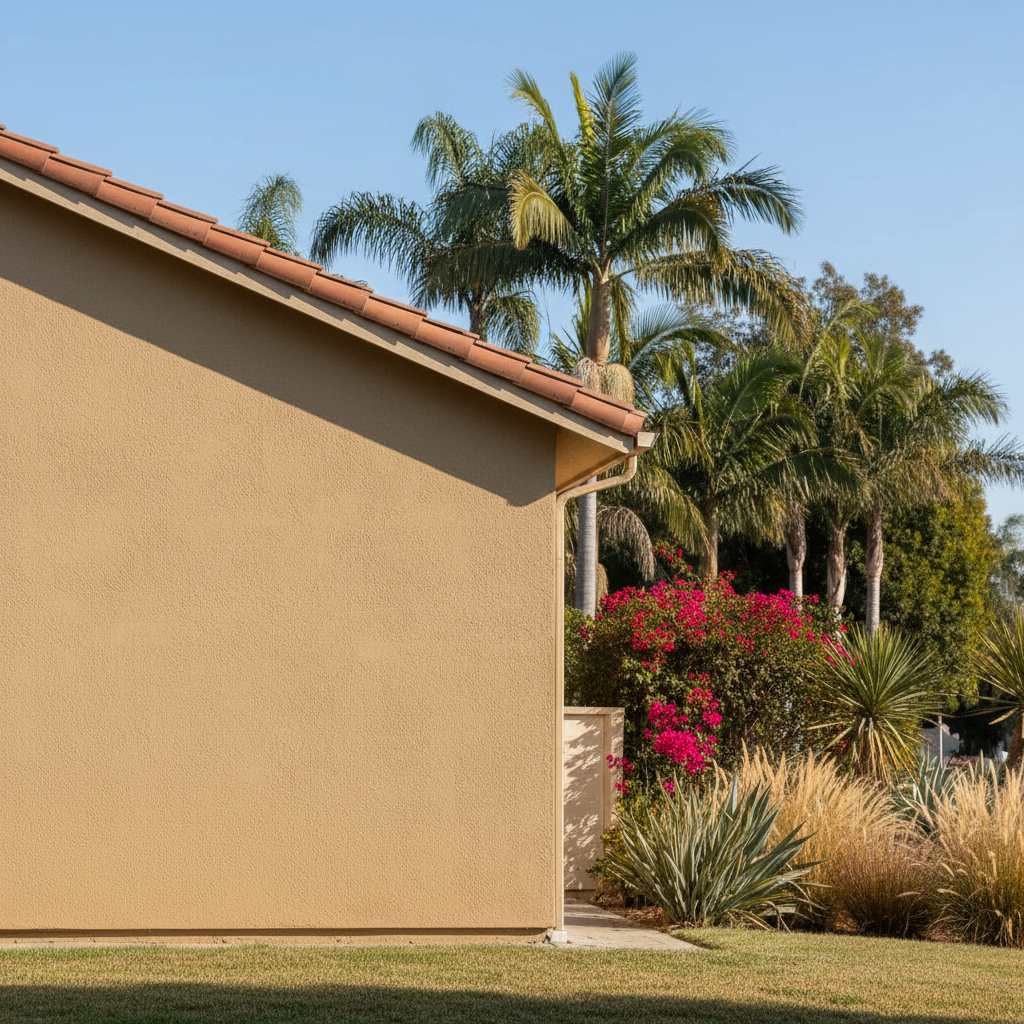
You've put money into stucco for your commercial building, and honestly, that's a smart move. It's tough, looks sharp, and really holds up against our Santa Ana weather. But here's the thing: it's not something you can just install and forget about. A little regular care actually goes a long way toward protecting that investment and keeping your property looking professional. I've seen too many businesses let small problems balloon into huge, expensive repairs, often because they simply didn't know what to look for or when to act. Let's make sure that doesn't happen to you, okay?
Making Your Stucco Last Longer in Our Climate
Our California climate — with its long dry spells and then those occasional heavy rains — can be pretty hard on building materials. Stucco is resilient, sure, but it's not indestructible. The single biggest thing you can do to make it last is to manage moisture. That might sound obvious, but people overlook it all the time. Double-check that your gutters and downspouts are clean and, more importantly, that they're directing water well away from the building's foundation. If water starts pooling right near the base of your walls, it's eventually going to find a way into the stucco, and that's when trouble really begins. I'm talking about the kind of issues that can seriously mess with your building's structure, especially in older commercial areas, say, around Fourth Street or near the Santa Ana Civic Center, where buildings might have some pretty old drainage systems.
Sun exposure is another huge factor. Our intense Southern California sun can cause stucco to fade and, over many years, even get a little brittle. A good quality paint or elastomeric coating, put on every 7-10 years, can act like a sacrificial layer. It protects the stucco itself from UV damage and adds another barrier against moisture. Think of it as sunscreen for your building.
What You Need to Do for Regular Maintenance
This isn't rocket science, but it does need some attention. Here's what I usually tell commercial property owners:
- Check Annually: Walk around your building once a year. It's best after a good rain or during a dry spell. Just look for anything that seems off. I'll get into specific warning signs in a bit, but a general visual check can often catch things early.
- Clean It: Stucco gets dirty, especially if your business is near a busy road or an industrial area. Dust, grime, and even mildew can build up. A gentle power wash — and I mean low pressure! — with a mild detergent solution is usually all it takes. Just be careful not to blast water directly into cracks or openings, and always spray downwards. You really don't want to force water behind the stucco.
- Inspect Caulking: Pay close attention to where stucco meets other materials. That means around windows, doors, vents, and at the foundation line. The caulk there is your first defense against water getting in. If it's cracked, shrunken, or missing altogether, it needs to be replaced. This is a small job, but it prevents big headaches.
- Manage Landscaping: Keep shrubs and trees trimmed back from the stucco. Plants constantly touching the wall can trap moisture, encourage mold, and even create pathways for pests.
Signs That Your Stucco Might Have a Problem
You're basically looking for anything that suggests water is getting in, or that the stucco itself is starting to fail. Here are the red flags:
- Cracks: Small hairline cracks are usually normal; often they're just cosmetic. But if you see cracks wider than a credit card, or if they run horizontally, vertically, or in a spiderweb pattern, that's a real concern. Pay extra attention to cracks around openings like windows and doors.
- Stains: Dark streaks, discolored patches, or rust-colored drips can point to water intrusion or mold growing behind the stucco. These often show up below windows or at the bottom of walls.
- Bulging or Soft Spots: If you press on the stucco and it feels soft, spongy, or you notice it bulging outwards, that's a serious sign of moisture damage and possibly rot in the wood underneath.
- Peeling Paint or Finish: When the paint or topcoat is bubbling, blistering, or peeling off in big sections, it means moisture is trapped underneath, trying to escape.
- Efflorescence: This is that white, powdery stuff you sometimes see on masonry. It's mineral salts left behind when water evaporates from the stucco. Basically, it tells you water is getting in and moving through the wall.
When It's Time to Call a Professional
Look, you don't need to be a stucco expert. That's what I'm here for. If you spot any of these warning signs, or if you're just not sure what you're looking at, it's time to call in a pro. Don't wait. A small crack that might cost a few hundred bucks to fix today can easily turn into thousands of dollars in water damage and structural repairs if you let it go for months or years. We've certainly seen it happen. If you're in Santa Ana or the surrounding Orange County area, Santa Ana Stucco & Plastering can come out, take a look, and give you an honest assessment. We'll tell you what really needs doing and what can wait. Getting a professional inspection, especially for an older commercial building, is always a good idea. It's all about protecting your investment and making sure your business looks its best.